How to Dance the Waltz Natural Turn with Swing
The short answer: a great Waltz Natural Turn starts with your body, not your feet. Let your head weight start a fall, drive out of the supporting leg, and let the moving foot pull your body weight over it, then rise at the end of 1. On the next steps, let the swing of your body close your feet, not muscle, and then lower. Keep your eyeline up and your head stacked over your shoulders the whole time.
Why does the Natural Turn matter so much in Waltz?
The Natural Turn is one of the first figures you learn in Waltz, and it's one of the most important foundation figures, because the way you dance it drives most of your other steps. As you move from social dancing to medals and maybe competition, you'll find the Natural Turn keeps developing with you.
When we packed everything up and moved to England to learn from the legends of the sport, I expected crazy figures and advanced choreography. Instead, for the first few months we worked on the Natural Turn in Waltz and the Feather Step in Slow Foxtrot. No routines. That changed my whole perspective on dancing: a basic figure can keep developing for years. Your Natural Turn might be okay, but I believe there's always room to make it better.
What is swing in Waltz?
Swing is a movement around a point, and your body already does it every time you walk. In dancing we make that natural swing beautiful, so that if you paused at any moment, the picture would have a nice, balanced line.
Most people learn to dance with their legs and feet: step to the side, close, step back, close. When they try to move more, they go out of balance and their posture falls apart. The fix is to let your body generate the energy and flight, and use your footwork to control it. Footwork is worth mastering, but it isn't the only thing happening in your movement.
Think about walking down the street. Your head leads and your body falls slightly forward, and your legs catch it. If your legs went first, you'd look very strange. I like to say Ballroom dancing is fancy walking, so we use the same idea: let the body create a fall first, and let the foot catch that fall.
Coaches have different opinions on where the fall starts. I like the way Geoffrey Hearn described it: the head starts the movement. The weight of your head, sitting on top of your body, is responsible for a lot of your balance and movement. It doesn't lean forward. It just starts the fall, and once you reach a certain point, you have to move.
How do you dance the first half of the Natural Turn?
The feet are simple: right foot forward, left foot to the side, right foot closes to the left. To dance them well, add the body:
- Fall: let your head weight start the movement, before the step.
- Drive: drive out of your supporting leg, the left leg.
- Pull: the right foot steps forward and pulls your body weight over it. That's step 1.
- Rise: at the end of 1, rise through the foot. Your body weight goes up, not down.
- Side step: the left leg takes the side step on 2 and pulls your body across.
- Swing to close: the swing pulls the right foot in to close on 3. You don't close it with muscle.
- Lower: once the feet have closed, lower and straighten your sway.
So on step 1 you've got the fall, the drive and the pull. Then the swing does the closing for you.
How do you dance the backward half of the Natural Turn?
Steps 4 to 6 use the same idea going backwards. The fall still comes from your body weight, but you don't fall backwards with your head. The body weight starts the movement first, and if you're the leader, that tells your partner you're about to move.
- The leg swings back and pulls your body weight through the step.
- On step 4 there's no foot rise, but there is a leg and body rise. You come up and out of the step, not down.
- Use your body weight and swing to close your feet, then lower.
This feels tricky at first. But if you've had trouble closing your feet, the pull and the body swing start to close them for you. Then you have the control to lower, and it's easier to lead and follow.
Where should your head and eyes be in the Natural Turn?
Keep your eyeline up and your head up. Looking down is one of the hardest habits to break when you start correcting your balance. Remember the head weight starts the fall without dipping forward.
This was one of my own biggest problems: my head would poke forward, then I'd lift it up and end up too far back. Start from a stable posture instead, with the head sitting on the shoulders, cheekbones over the shoulders, shoulders over the hips. From there, let the head weight start the movement, let your leg balance it, and create your drive and pull.
Common mistakes
- Moving the leg first and dragging the body after it.
- Closing the feet with muscle instead of letting the swing close them.
- Copying dancers you see online by stepping bigger and lowering more. At the end of 1 you rise, you don't go down.
- Leaning or dipping the head forward to create the fall.
- Falling backwards with the head on the backward steps.
- Looking down.
- Treating the Natural Turn as a beginner figure you've already finished with.
Try this in your next practice
Use the Natural Turn as your warm-up this week. Take your hold, or put your arms in position and dance with an invisible partner, and dance it slowly down the room. On every step, think: fall from the head, drive from the supporting leg, pull with the moving foot, rise at the end of 1, and let the swing close your feet before you lower. Then do the same on the backward half. Keep your eyeline up the whole time.
Frequently asked questions
How fast is Waltz music?
WDSF competition rules set Waltz at 28 to 30 bars a minute.
Can I practise the Natural Turn on my own?
Yes. Put your arms in position as if you're holding a partner, and dance it on your own as a warm-up.
Is there rise on step 4 of the Natural Turn?
There's no foot rise on step 4, but there is a leg and body rise. You come up out of the step, not down.
Do I need to take bigger steps and lower more?
No. Lowering more and stepping bigger isn't the idea. Let the body fall first, drive, pull, and rise at the end of 1.
Does swing work the same way in every Ballroom dance?
Swing applies to the swing dances: Waltz, Slow Foxtrot, Quickstep and Viennese Waltz. Tango has no swing, so it's a different dynamic and the body doesn't close the feet the same way.
Related lessons
- Waltz basic steps for beginners: solo box Waltz lesson
- How to count Waltz music
- How to use your feet in Ballroom dancing
- How to hold your frame in Ballroom dancing
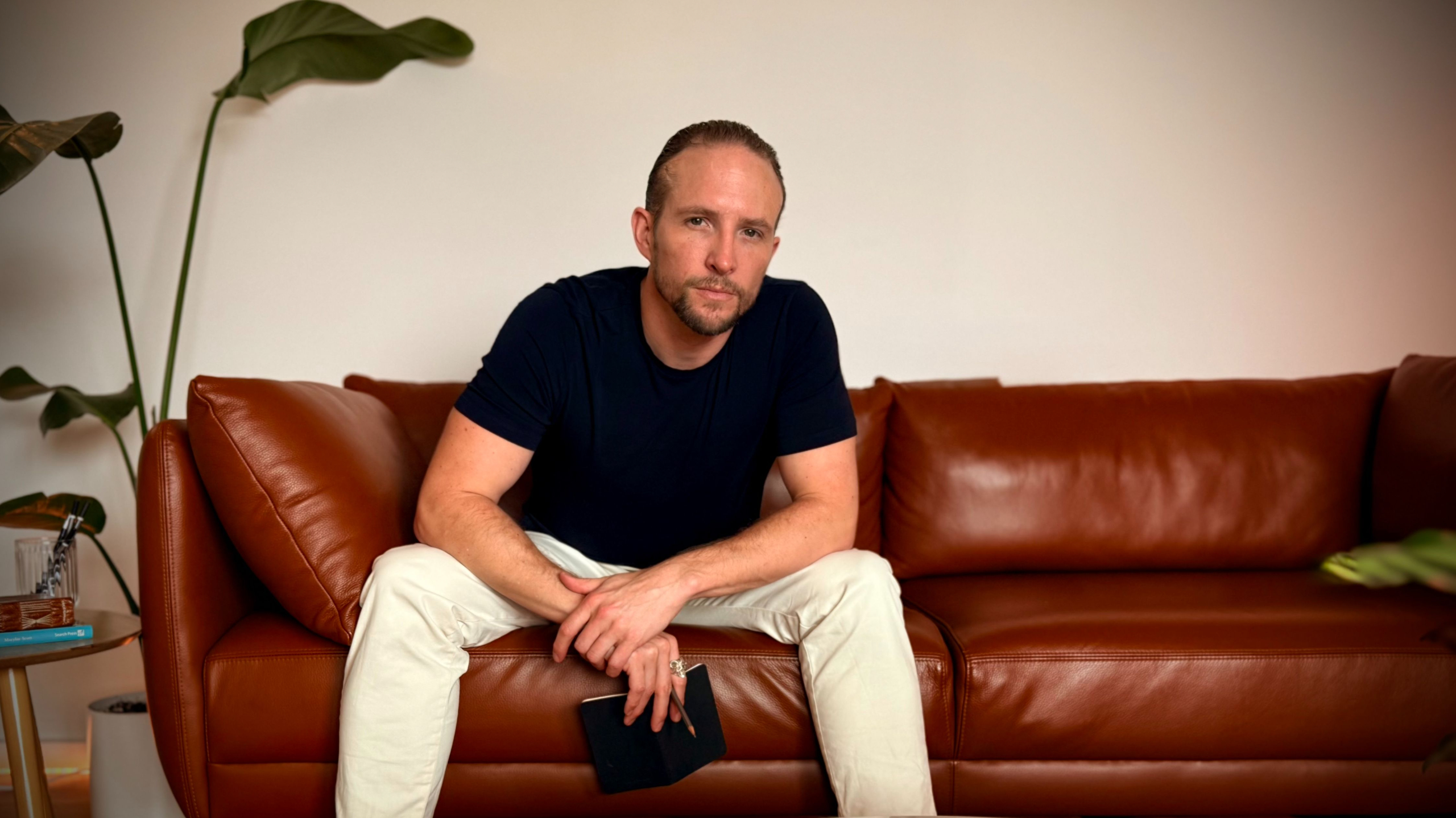
Vaughan Liddicoat is a 4 time World Professional 10 Dance representative for Australia, an accredited coach and the founder of Ballroom Mastery. He has a passion for dance and wants to help you become the best dancer you can be and have an amazing time doing it.
Fix one thing in your dancing every week.
Most dancers practise for years without knowing what's really holding them back. The Mastery Letter is my free weekly letter that shows you, one clear lesson at a time.
Every week you get one lesson, one tip and one story from me, a 4 time World Professional 10 Dance representative for Australia. Ballroom and Latin, from frame and footwork to timing and hip action.
It takes under five minutes to read, so you can take it straight into your next practice.
Enter your email below. Edition 1 is yours as soon as you confirm.
Free. Unsubscribe any time. Your email is never shared or sold.